Heritage & History
From Kwararafa to Central Nigeria: Documenting Authentic Egbira Heritage
Tracing our ancestral migration through the Gongola River basins and the true meaning of the Six Founding Lineages of Egbira Itaazi.
Prof. A.O Ahmed
6 min read
Cultural Industry
Oguntoro Weaving: Rescuing the Ancient Vertical Loom for Modern Commerce
First recorded by Henry Barth in 1851, the Egbira single-loom cloth is an artisanal masterpiece. Here is how institutional adoption can revive it.
Dr. Isa Karikati
5 min read
Agro-Processing
The NGN 8.85 Million Cashew Processing Framework
How small-scale community processing cottage units capture 400% export margins while providing sustainable employment for women and youths.
Prof. Zakaree Saheed
7 min read
Industrial Synergies
Retaining Ajaokuta Steel Wealth in Kogi Central
Why local entrepreneurs must invest immediately in modern housing, hospitality, and shopping malls to capture steel workers' salaries.
Economic Committee
5 min read
Women Empowerment
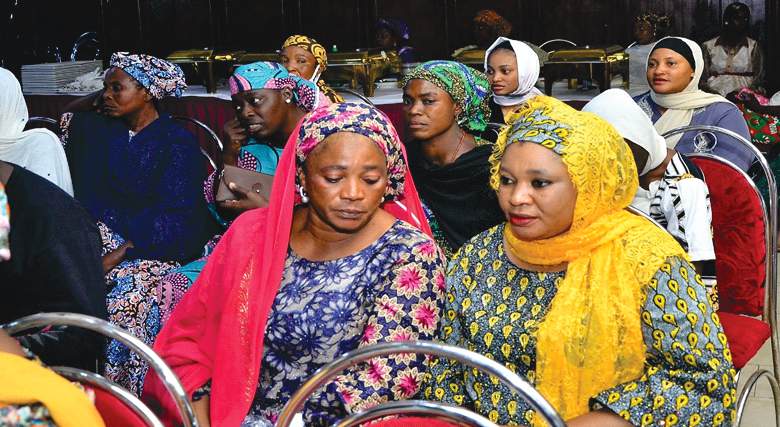
Women as the Backbone of Community Economy
Reflections from our female technocrats and entrepreneurs on how micro-credit, cooperative clusters, and cottage processing uplift rural households.
Hajia Zainab Abdulrasaq
4 min read
Education Reform
Rebuilding Our Dilapidated Classrooms & Technical Schools
An impassioned appeal for emergency public-private intervention across primary, secondary, and technical schools in Egbiraland.
Dr. Luqman Wuli
6 min read